Government Affairs.
While independent agents look out for their communities, the Big “I” looks out for them—
on Capitol Hill and beyond.
The Big “I” Advocates for You.
The Big “I” is consistently ranked among the most effective advocacy groups on Capitol Hill. Backed by a multi-million dollar PAC (InsurPac) and a national network of 20,000 independent agency leaders, we advocate for the issues that matter to your business, your employees and the clients you serve.
Simply put, Big “I” advocacy keeps agents informed and represented—staying on top of issues like taxes, crop insurance and legal reform, so you can stay focused on your business.
Government Affairs UPdates

Issues Important to Independent Agents.

Taxes
Congress recently passed, and the President signed into law the One Big Beautiful Bill Act, making permanent many tax provisions from the 2017 Tax Cuts and Jobs Act. Passage of the OBBB concludes a multiyear advocacy campaign by the Big “I” to raise awareness over important tax policy for independent agents.

Legal Reform
Many factors are fueling the current property insurance crisis. Among them is the abuse of the legal system. It is a significant problem and adds considerable costs to the insurance industry and the price that consumers pay for property insurance.
Disaster Mitigation
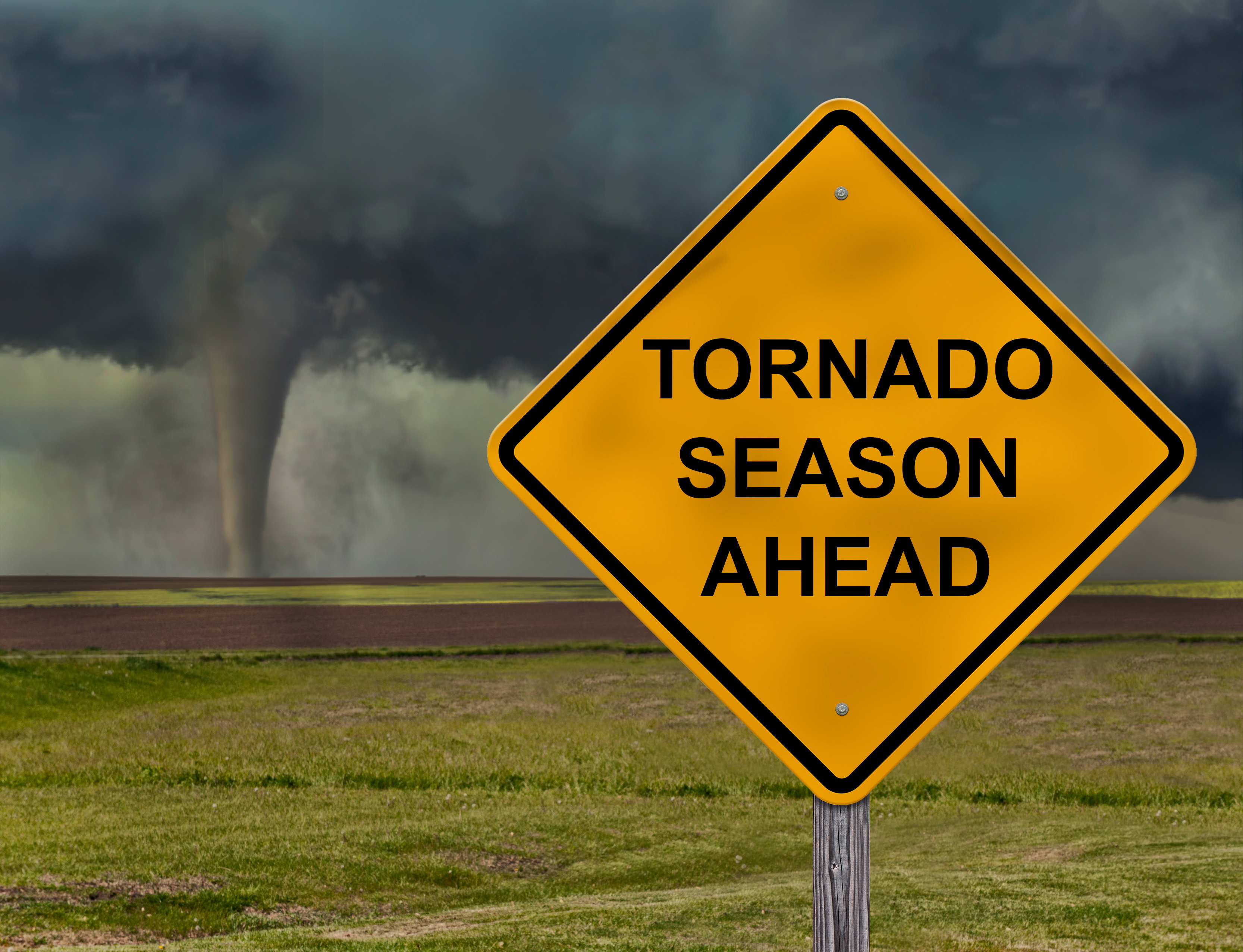
Natural disasters are becoming more frequent and more severe, straining the property and casualty insurance markets. Without effective disaster mitigation, insurers face rising claim costs, homeowners struggle with skyrocketing premiums or lack of coverage, and the federal government is forced to step in with costly disaster relief programs. States are working to increase resiliency and mitigate risks associated with their unique geographies, but the federal government can and should do more to assist with those efforts.
April 7- 9, 2027 | Washington, D.C.
You’re Invited to the Big “I” Legislative Conference.
Join us for a one-of-a-kind event and get up to speed on the many legislative, regulatory and legal challenges happening to your profession right now.
This is your chance to bring the voice of independent agents directly to lawmakers. Conference attendees will visit approximately 400 congressional offices to advocate for the independent agency system and the consumers we serve.
New Big “I” Member Resource: Legal System Abuse Toolkit.
Important Issues Summaries.
Congress recently passed, and the President signed into law the One Big Beautiful Bill Act (OBBB), making permanent many tax provisions from the 2017 Tax Cuts and Jobs Act (TCJA). Passage of the OBBB concludes a multiyear advocacy campaign by the Big “I” to raise awareness over important tax policy for independent agents.
Among the priorities that have been made permanent is the 20% deduction—Section 199A—for pass-through entities, which is significant for many independent insurance agencies. According to the most recent Agency Universe Study, 86% of independent agencies are structured as pass-throughs and file taxes at the individual rate.
Additionally, the bill makes the current tax rates from TCJA permanent, while modifying the inflation adjustment mechanism for the various brackets. Despite some calls to increase the top marginal tax rate to 39.6% to help pay for the legislation, the bill caps the top rate at 37%, an important win for pass-through entities with income above that threshold. Despite speculation that the corporate rate could be reduced by several points, the bill does not make changes to the 21% corporate rate, which was made permanent by the TCJA.
As originally drafted, the House tax package included language to subject royalty income derived from the licensing of a tax-exempt organization’s name or logo to unrelated business income tax (UBIT), which is a 21% tax. The Big “I” worked with members of Congress and House Republican leadership to remove that entire section from the bill. Had it remained, it would have impacted various programs and services that state associations provide to dues-paying members.
Importantly, the legislation did not eliminate or cap the employer tax exclusion for health insurance. Employer-sponsored coverage is the foundation of American health care, providing stable financial protection for nearly 180 million workers and their families. Taxing this coverage would have increased costs for employees and undermined the accessibility and affordability of health care.
It is said that tax policy is written in pencil and not pen since tax laws are subject to frequent adjustments, updates and reforms based upon shifting economic conditions and political landscapes. What is written today can be erased and rewritten tomorrow. The Big “I” will remain vigilant as tax proposals emerge that could harm independent agents and their ability to serve their policyholders and communities.
Natural disasters are becoming more frequent and more severe, placing significant strain on the property and casualty insurance markets. Without effective disaster mitigation, insurers face rising claim costs, homeowners struggle with skyrocketing premiums or lack of coverage, and the federal government is forced to step in with costly disaster relief programs. States are working to increase resiliency and mitigate risks associated with their unique geographies, but the federal government can and should do more to assist with those efforts.
The Big “I” strongly supports the Fix Our Forests Act (S.1462/H.R.471). The U.S. House of Representatives has already acted on this important piece of legislation, passing it in January of 2025 with a strong bipartisan vote. This bill would increase the nation’s resiliency to catastrophic wildfires, improve land use planning and forest management, streamline environmental reviews while deterring frivolous litigation, and help to better protect communities in wildfire-prone regions. The legislation also has provisions to reduce the fuel loads in our nation’s forests including the removal of hazardous trees, the hardening of utility infrastructure, and the adoption of fire-resistant building methods and standards.
The Disaster Resiliency and Coverage Act of 2025 (H.R.1105) empowers individual property owners to undertake targeted resiliency and mitigation activities. The legislation would extend the eligible use of funds offered under the Stafford Act to allow states and tribal governments to offer grants up to $10,000 to individual property owners to undertake pre-disaster mitigation activities. The legislation creates tax parity by ensuring that federal and state disaster grants are not subject to federal income tax and allows for a tax credit of up to 30 percent of the cost of qualified mitigation activities. Importantly, the Disaster Mitigation and Tax Parity Act of 2025 (S.336/H.R.1849) similarly excludes funds provided under state-based mitigation programs from federal taxable income.
The insurance industry relies on a steady flow of publicly available data to predict losses, price policies, and mitigate financial exposure. For example, the National Oceanic and Atmospheric Administration (NOAA) produces important data on hurricane frequency, wildfire patterns and changes to flood zones. Without that data, insurers may face reduced accuracy in underwriting, higher loss ratios, and an inevitable increase in premiums for policyholders. We encourage Congress to recognize the important role that NOAA and other federal agencies play in providing data to help predict risk and protect consumers.
According to a study conducted by the Institute for Legal Reform, costs and compensation paid into the U.S. tort system reached over $529 billion in 2022 – equating to 2.1% of U.S. GDP and over $4,200 per U.S. household. The study also found that tort costs continue to grow faster than inflation, at an average annual rate of 7.1% between 2016 and 2022. If tort cost growth continues at that pace, U.S. tort costs will near $1 trillion by 2030.
An especially troubling trend is the unchecked way foreign entities and sophisticated investors are financing and subsidizing litigation in American courts. TPLF is a growing and largely secretive multi-billion-dollar industry that threatens the integrity of the U.S. Court System. Civil litigation cases are being funded by undisclosed third parties who receive a percentage of the settlement from successful cases. Many of these funders are foreign entities, including sovereign wealth funds, and are operating through shell companies. In 2023 there was an estimated $17 billion in global TPLF assets with half of it deployed in the U.S., and that is expected to grow to $31 billion in the U.S. by 2028, according to Swiss Re.
In most jurisdictions defendants are required to disclose insurance agreements in litigation, but litigation funding agreements are not subject to such disclosure. Legislators can protect plaintiffs by making sure they are aware when attorneys have committed to share their recovery with a third-party funder, and by prohibiting funders from taking a larger share of the recovery than an injured plaintiff receives. Another effective way to protect consumers is by supporting The Litigation Transparency Act of 2025 (H.R.1109). This bill would require the disclosure of TPLF agreements between investors and parties to civil actions, as well as the disclosure of parties receiving payment in civil lawsuits.
In many cases, third-party litigation funders pay a more favorable tax rate on their share of a court award when compared to the actual injured plaintiff. The profits of domestic funders currently get treated as capital gains for tax purposes, while foreign investors operating through shell companies pay no U.S. taxes on their litigation profits since they are not subject to capital gains. This perversely incentivizes foreign investment in more U.S. litigation.
The Big “I” supports the Tackling Predatory Litigation Funding Act (S. 1821/H.R.3512), which would close the TPLF tax loophole. The legislation would create a new tax code specifically for TPLF, pegging the tax rate for proceeds to the top ordinary income tax rate of 37%, which will ensure parity with the tax rates that plaintiffs and attorneys must pay. Additionally, it adds a 3.8% tax for using the court system–a public good–for profit, taking the total tax rate for TPLF returns to 40.8%.
The tax is levied solely on the third-party funders and does not create a new tax on actual plaintiffs or their attorneys, nor would it limit traditional law firm financing or disrupt post-judgment financing arrangements.
The NFIP plays a critical role in mitigating risk by providing flood insurance to homeowners and businesses in high-risk areas.
The Big “I” strongly supports a long-term reauthorization of a modernized program that would increase take up rates, both in the NFIP and in the private market. However, in the absence of such action the Big “I” asks that the NFIP be reauthorized before its September 30 expiration.
The Big “I” also opposes any policies that would harm the Write-Your-Own Program or undermine the valuable and trusted role that independent agents play in the offering, sale, and servicing of flood insurance.
The Big “I” believes that insurance should be supervised at the state level and works to educate elected officials about the importance of the state regulatory system.
While some state regulatory environments are more challenging than others, the state system has effectively supervised insurance markets for over 150 years. It continues to offer considerable benefits especially in the vital areas of solvency regulation and consumer protection. Congress has repeatedly affirmed the states’ regulatory authority over the insurance industry, including passage of the McCarran-Ferguson Act in 1945.
While there was not a wholesale change to the way that insurance was regulated after the 2008 financial crisis, the 2010 Dodd-Frank Wall Street Reform and Consumer Protection Act (Dodd-Frank) did give some federal agencies heightened oversight over insurance companies. Dodd-Frank created the Federal Insurance Office (FIO) – an information gathering body housed within the Department of Treasury.
There has been growing concern that federal regulatory efforts could lead to an erosion of the state-based system, market consolidation and an uneven playing field for insurance companies, leading to fewer markets for independent agents. Since its creation, FIO has proven to have questionable value for insurance markets as well as consumers. As one of the leading supporters of a strong and modernized state-based system of insurance regulation, the Big “I” supports eliminating FIO or significantly reducing its size and scope.
The Big “I” supports the Federal Insurance Office Elimination Act (H.R. 643), which affirms the state regulatory system and abolishes FIO. The Big “I” also supports the Insurance Data Protection Act (H.R. 3437), which would repeal FIO’s subpoena authority over insurance carriers. Note that FIO does not have the ability to collect or demand the production of information from agents or brokers.
May 1, 2025
The Federal Crop Insurance Program (FCIP) is a public-private partnership that provides farmers with financial protection against crop losses due to natural disasters, market fluctuations, and other unforeseen risks. Administered by the Risk Management Agency (RMA) under the U.S. Department of Agriculture (USDA), the program offers a range of insurance policies tailored to different crops, regions, and farming operations. By sharing risk between the government and private insurers, the FCIP ensures that farmers have access to affordable and effective coverage while reducing the need for ad hoc government disaster relief, making it a cost-effective approach to agricultural risk management.
Farming is an inherently risky business. Weather events such as droughts, floods, hail, and hurricanes can devastate crops, leading to significant financial losses. Additionally, fluctuating commodity prices can impact farm revenue. Without crop insurance, many farmers would struggle to recover from these challenges, jeopardizing their livelihoods and the stability of the agricultural sector. Beyond individual farm protection, crop insurance contributes to national food security. A reliable domestic food supply reduces dependence on imports, ensuring that the nation can sustain itself during global conflicts, economic instability, or supply chain disruptions.
Crop insurance agents play a vital role in the success of the FCIP. These professionals help farmers navigate the complexities of insurance policies, ensuring they select the best coverage for their specific needs. Agents provide valuable insights on policy options, coverage levels, and deadlines, while also assisting with claims in times of loss. Their expertise ensures that farmers receive the financial protection they need to sustain their operations and contribute to a resilient agricultural economy.
The Big “I” encourages Congress to support America’s agriculture economy and oppose any legislative or regulatory efforts to reduce the FCIP’s funding or otherwise weaken the efficient and effective private sector delivery of crop insurance.
Government Affairs UPdates
From Independent Agent Magazine.
Meet the Big “I” Government Affairs Team.
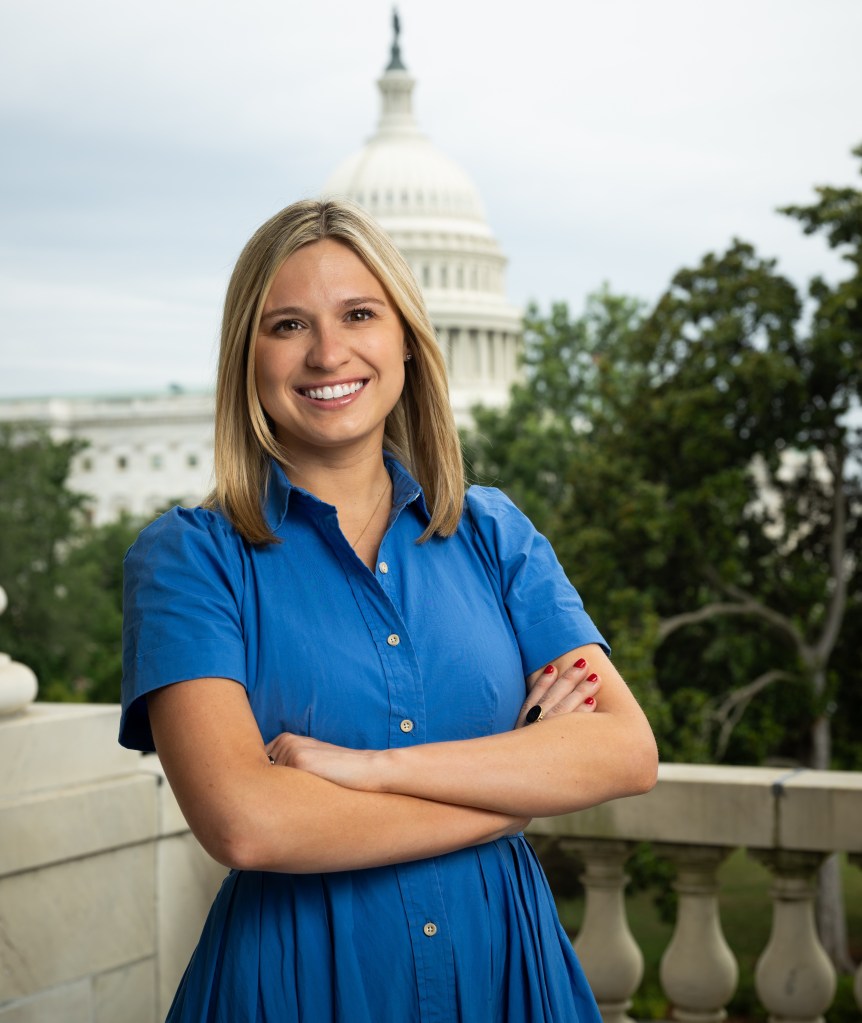
Auburn Cleary
Manager of Political Affairs
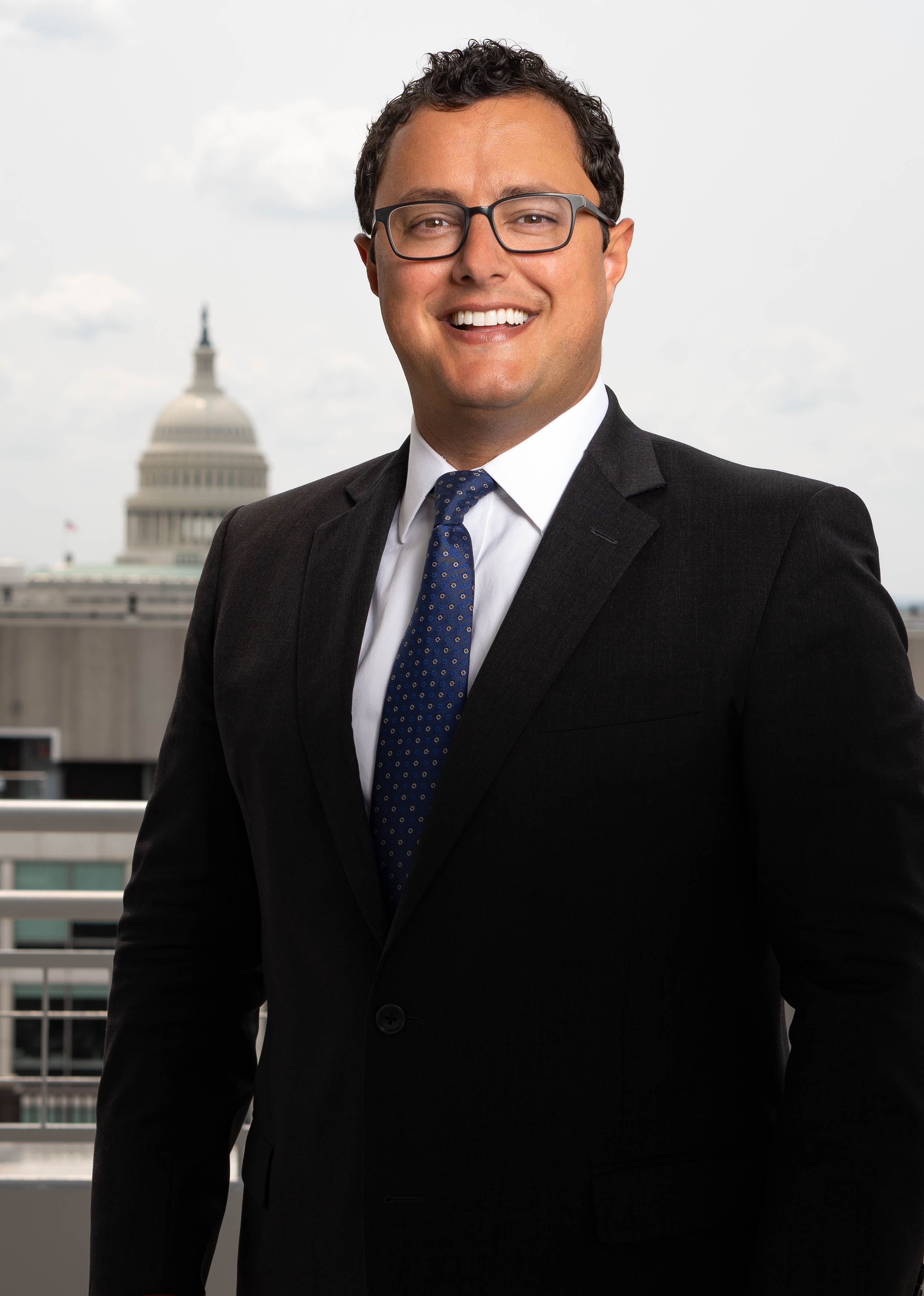
Raaed Haddad
Director of Federal Government Affairs
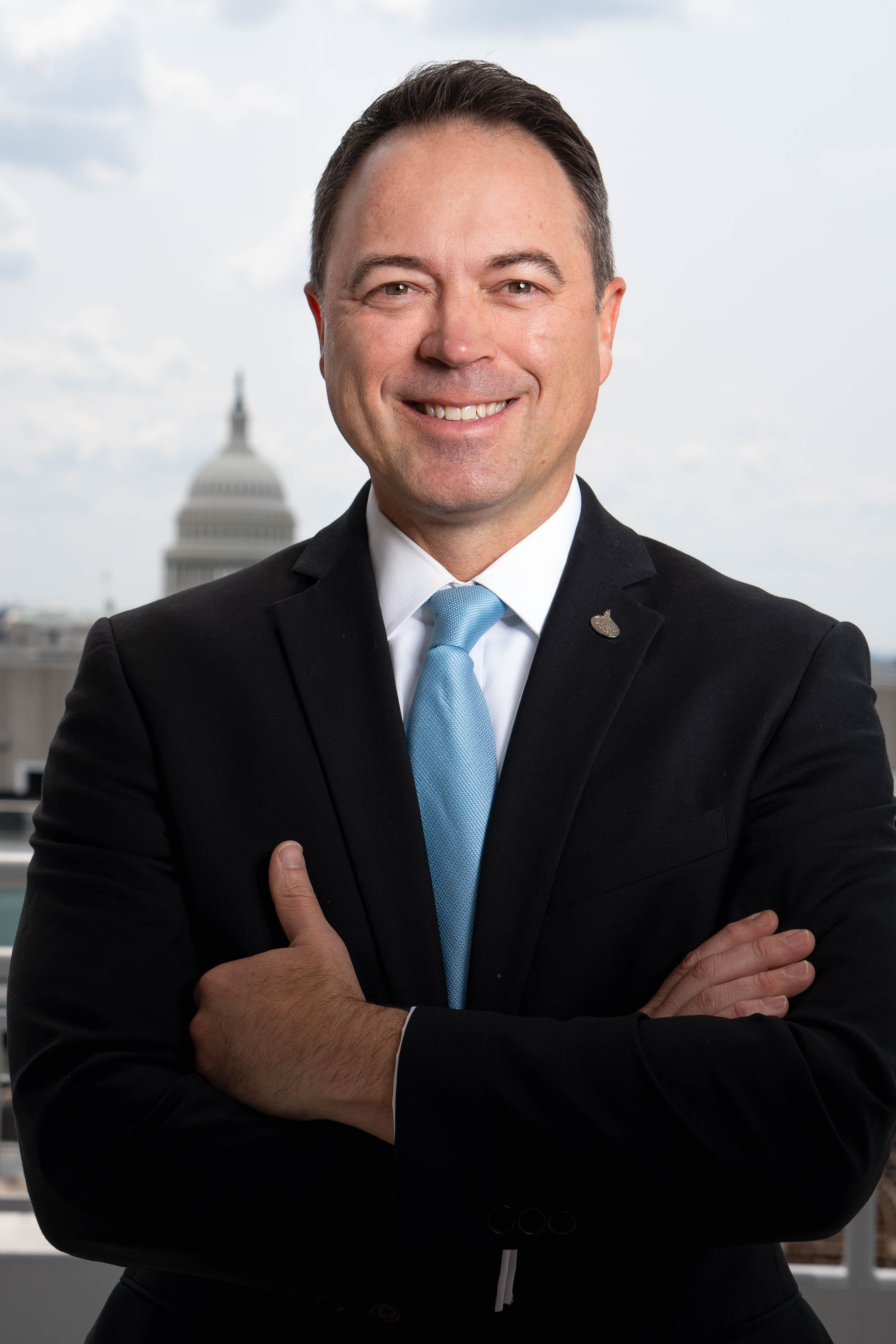
Nathan Riedel
Senior Vice President of Federal Government Affairs

Wesley Bissett
Senior Counsel, Government Affairs
Legal Advocacy.
Navigating complex legal and business challenges is part of running an agency—but you don’t have to do it alone.